
Immunobiology

The CD300family of immunoreceptors is composed by six members, CD300a/IRP60, CD300b/IREM3, CD300c/CMRF35, CD300d, CD300e/IREM2 and CD300f/IREM1. All of them share an extracellular region comprising a single Ig-like domain and, with the exception of CD300a, a myeloid linage restricted pattern of expression. In addition to the expression on myeloid cells, CD300a is found in some subsets of T, B and NK cells.The Immunobiology group is focused on the study of the structure and function of the CD300 family of immune receptors, as well as in their involvement in different human pathologies.
Our ongoing lines of research are:
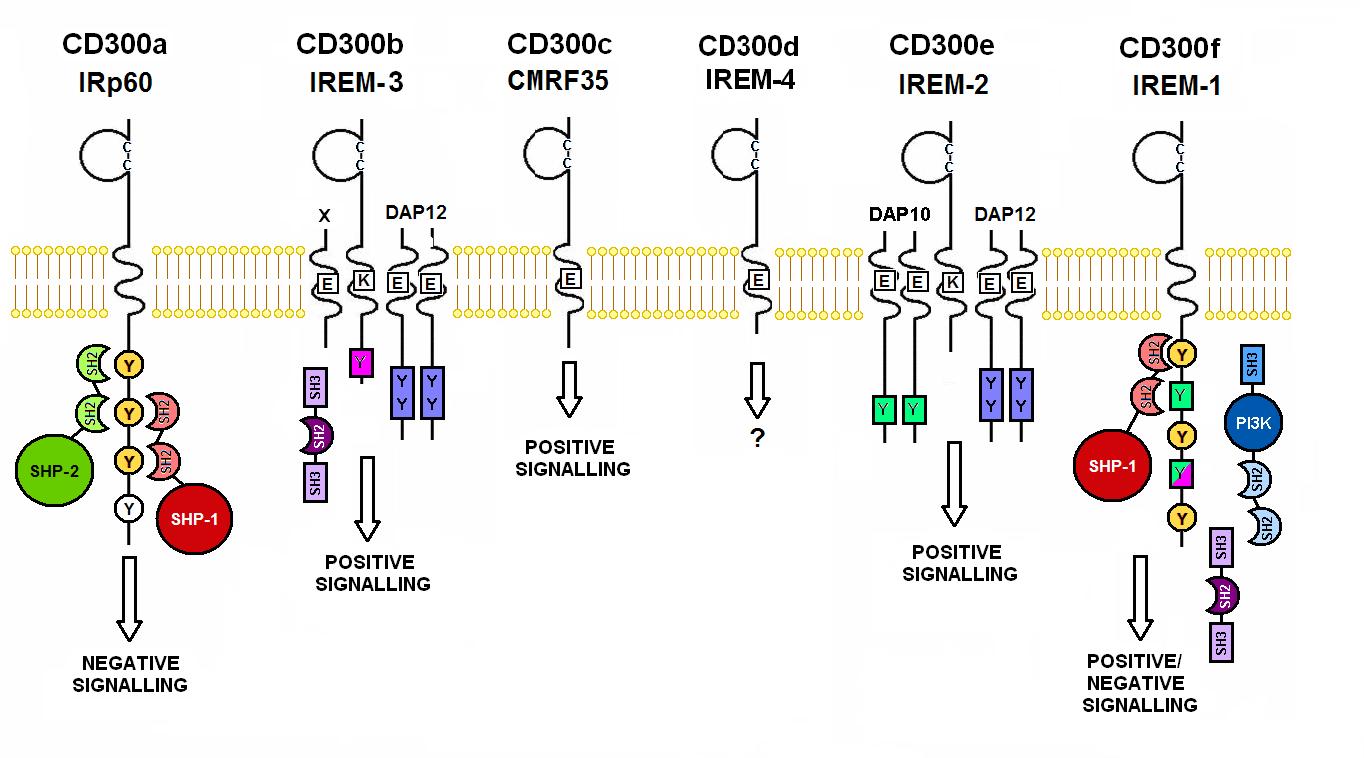
Figure 1: Schematic representation of the CD300 family of Immunoreceptors.
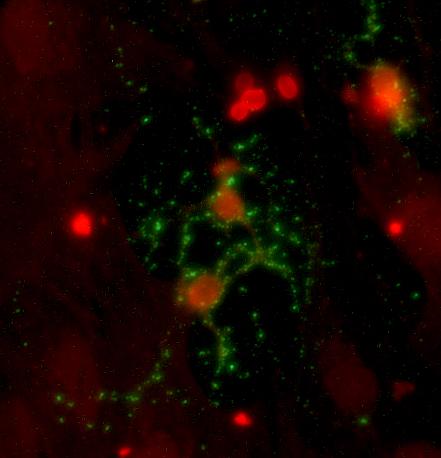
Figure 2: CD300f natural ligand is expressed on the surface of oligodendrocytes obtained from rat Brain
RESEARCH LINES
- The role of the CD300 family of inmunoreceptors in the function of microglial cells.
In the last years we have been working in the identification and functional characterization of the CD300 family of immunoreceptors. We have described that these molecules are expressed by cells of myeloid lineage and that some of them are activating receptors while others acted as a negative regulators. We want to analyze the expression and possible role of the CD300 molecules in the function of microglial cells in the central nervous system (CNS). We expect that the data generated by this project could help to understand how CD300 receptors modulate microglia function and how to use these molecules as a therapeutic target in processes of acute brain damage.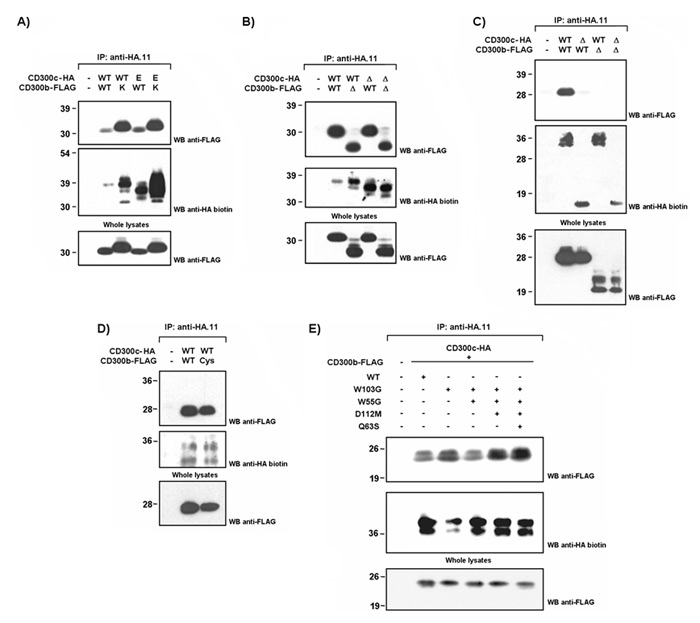
- The involment of CD300 immunoreceptors in the pathogenesis of demyelinating processes.
Multiple sclerosis (MS) is an inflammatory demyelinating disease of the central nervous system (SNS) that affects more than 2.5 million individuals worldwide. The first symptoms appear between 20 and 30 years and is the main neurological disease in young adults, with higher incidence in women. Although the mechanisms underlying MS pathogenesis are still unclear, it is well known that patients' blood-brain barrier allows the passage of macrophages and lymphocytes to the NHS thereby initiating an inflammatory process. This inflammatory response includes activation of microglial cells and autoimmune attack against white matter oligodendrocytes. We propose, based on previous experimental data, the study of the role of the CD300f in the pathophysiology of this disease. First, we are working in the identification of the physiological ligand for this receptor, that we know is expressed by certain cells in the SNS. Secondly, the analysis of the role of soluble forms of CD300f in the development of the disease by studying their expression in fluid samples of multiple sclerosis patients. Since activation of microglia and macrophages is critical in the development and expansion of MS lesions, the study of the mechanisms that regulate the activation of these cells may be of vital importance in the development of new therapeutic agents for the treatment of this disease.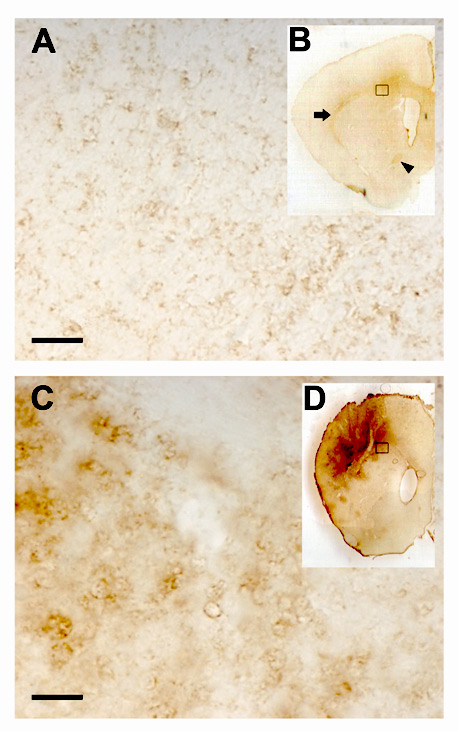
- Molecular and functional characterization of the family of immunoreceptors CD300.
In the last years it has been shown the existence of a number of multigenic families of activating and inhibitory immune receptors belonging to the immunoglobulin superfamily. The physiologic ligand of some of these receptors has been identified, though the ligand of most of them still remains unknown. The importance of these receptors for the immune system regulation was revealed by showing that the dysfunction of some of them increases the susceptibility to autoimmune disorders in experimental models. Our main goal will be the molecular and functional characterization of a new family of activating/inhibitory immune receptors called CD300. This Novel immunoglobulin superfamily gene cluster map to a region of human chromosome 17q25 that has been linked to psoriasis susceptibility. The analysis of the structure, distribution and function of the members of this family of immune receptors may provide clues to understand the mechanisms involved in the development of autoimmune disorders.

 |
 |
 |
 |